


The Japan Mobility Show 2025, held at Tokyo Big Sight from October 29 (press day) through November 9, unfolded as a broad showcase of automakers’ near-term strategies and concept vehicles amid ongoing shifts toward electrification and diversified mobility. The biennial exhibition, succeeding the Tokyo Motor Show, combined traditional car displays with future-oriented concepts and lifestyle programming.
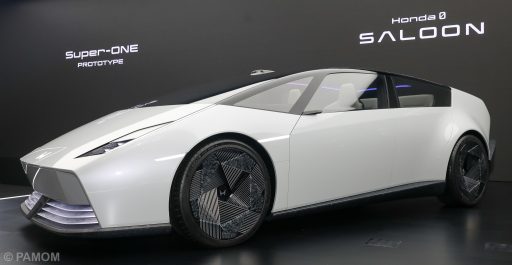
Japan’s largest domestic manufacturers anchored much of the program with forthcoming products and visions. Honda presented multiple entries from its emerging Honda 0 Series of electric vehicles, including the Honda 0 α SUV prototype and the small Super-ONE Prototype EV, the latter emphasizing a sporty compact character and features such as a simulated seven-speed transmission and virtual engine sound system. Also on display was the EV Outlier Concept, an electric motorcycle featuring in-wheel motors, highlighting Honda’s broader mobility interests beyond passenger cars.
Toyota’s presence included a world premiere of its next-generation Corolla concept model, alongside the new Land Cruiser FJ — a rugged, five-seat SUV positioned as part of Toyota’s evolving SUV lineup. The Toyota group also exhibited nearly related premium concepts from Century and Lexus: Century, repositioned as a standalone luxury brand, revealed a Coupe Concept emphasizing high-end craftsmanship, and Lexus showed an LS Concept — an unconventional six-wheeled luxury vehicle — as part of its broader design exploration at the event.
Nissan used the Tokyo staging to unveil the all-new Elgrand minivan in its fourth generation, reflecting the company’s continued focus on large family vehicles. Nissan’s booth also featured the Patrol full-size SUV, the mid-size electric N7 sedan, and the Micra EV hatchback, underlining a mix of traditional and electric-drive models. During a dedicated Nissan Day program, executives outlined the company’s updated electrification roadmap, including progress toward solid-state battery deployment and global EV production scaling. The presentation emphasized execution timelines and competitiveness in both domestic and overseas markets, reinforcing Nissan’s intent to strengthen its position in the evolving electric landscape.
Among Japan’s other domestic brands, Mitsubishi Motors premiered the ELEVANCE Concept, a plug-in hybrid crossover SUV concept that previewed future all-terrain electrified products. Subaru was reported to have shown performance-focused BEV concepts alongside more adventure-oriented models, though official documentation focused on broader participation rather than detailed releases.
Foreign manufacturers also contributed notable exhibits. BMW Group highlighted its BMW iX3 as the first Neue Klasse model making its Asian premiere, accompanied by the MINI Paul Smith Edition, a special collaboration model, and the BMW Concept Speedtop, a concept blending sporty proportions with an exclusive design language. BMW’s presence also included performance models such as the M2 CS and electric motorcycle entries from BMW Motorrad.
Mercedes-Benz showcased future-oriented products including the Concept AMG GT XX, and new electric entries in the CLA and GLC lines, reflecting continued electric push within its core range. Exhibitors from the Chinese market, led by BYD, displayed a broad lineup of vehicles, including the mini EV Racco — making its world debut as BYD’s first kei-class entrant in Japan — and models like the Sealion 6 PHV and the high-performance Yangwang U9 EV supercar. BYD’s participation underscored the increasing presence of Chinese OEMs in a market traditionally dominated by domestic manufacturers.
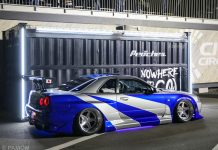
Beyond the formal manufacturer stands, the show’s layout was designed to combine product debuts with enthusiast-focused programming. A Mobility Culture area connected the corporate exhibition halls with lifestyle-oriented displays and collaborations linked to Tokyo Auto Salon culture. Tokyo Supercar Day brought a concentration of exotic and high-performance models to the East Promenade, drawing steady crowds outside the main halls and adding a distinct performance dimension to the exhibition.
On November 1, a Red Carpet-style Supercar Runway presentation provided a staged showcase for high-performance sports cars. Rather than static displays, vehicles were driven onto a runway platform with live commentary, allowing closer attention to proportions, engine notes, and design details. The format contrasted with traditional booth presentations inside the halls and highlighted how enthusiast culture continues to coexist alongside electrification narratives.
Other global brands such as MINI (in addition to the Paul Smith Edition), Hyundai with its fuel cell-powered NEXO, and niche displays from motorcycles and commercial vehicle makers rounded out the exhibition lineup, illustrating the show’s expanded focus on a wide mobility spectrum.
Across the event, the mix of production-intended models and experimental concepts reflected an industry balancing ongoing internal combustion relevance with an accelerating shift toward electric mobility and integrated transport solutions. Attendance encompassed both media attention on headline reveals and public interest in the breadth of offerings from mainstream cars to niche and future mobility concepts.
Official links
https://www.japan-mobility-show.com/en/ (japan-mobility-show.com)
To view more images, please visit: https://www.purpobandit.com/post/japan-mobility-show-2025-industry-transition-on-display-in-tokyo

